Glass vs Paper: Which Preservation Method Lasts Longer?
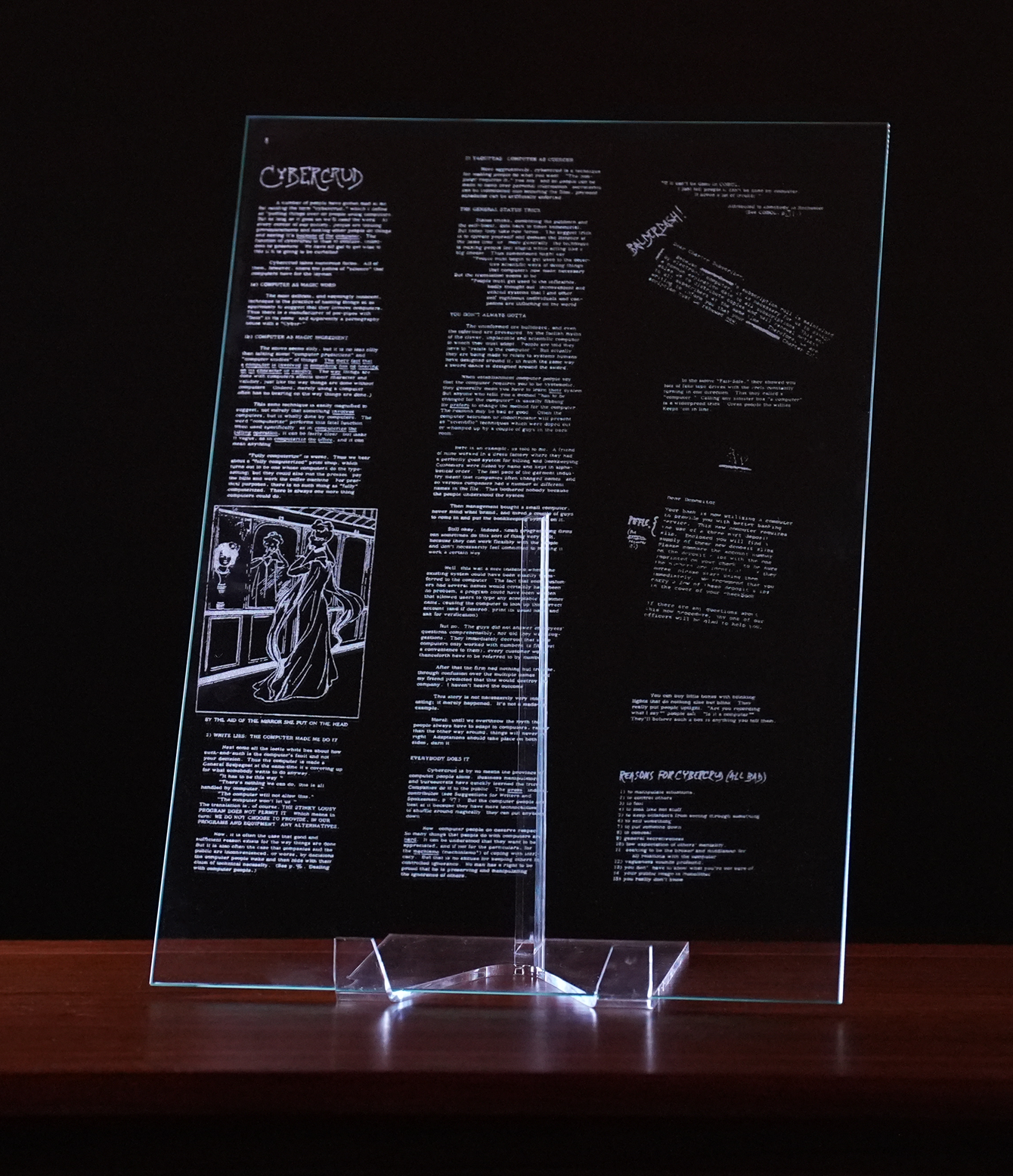
When it comes to preserving important documents and information for the long term, the choice of material matters immensely. Let's examine the science behind different preservation methods and why glass emerges as the clear winner for longevity.
The Paper Problem
Paper has been humanity's primary writing medium for centuries, but it's far from permanent. Even high-quality archival paper faces multiple degradation threats:
Chemical Breakdown
Paper is made from cellulose fibers derived from wood pulp or cotton. These organic materials are inherently unstable. Lignin, a compound found in wood-based paper, oxidizes over time, causing yellowing and brittleness. Even acid-free archival paper eventually succumbs to oxidation, typically lasting 200-500 years under ideal conditions.
Environmental Sensitivity
Paper is highly sensitive to environmental conditions:
- Humidity: Moisture causes paper to warp, promotes mold growth, and accelerates chemical degradation
- Temperature: Heat speeds up chemical reactions that break down cellulose fibers
- Light exposure: UV radiation breaks molecular bonds, causing fading and weakening
- Air quality: Pollutants and acidic gases attack paper fibers
Biological Threats
As an organic material, paper is vulnerable to biological attack. Insects like silverfish and booklice consume paper. Fungi and bacteria thrive in humid conditions, creating foxing (brown spots) and structural damage. Rodents can destroy entire archives in search of nesting material.
The Digital Dilemma
Many assume digital storage solves preservation problems, but it introduces new challenges:
Format Obsolescence
Digital formats become obsolete rapidly. Try opening a file from 30 years ago—you may struggle to find compatible software. Floppy disks, Zip drives, and even CDs are already obsolete. What guarantee do we have that today's formats will be readable in 100 years?
Storage Media Degradation
Physical storage media deteriorates:
- Hard drives: 3-5 years typical lifespan
- SSDs: 5-10 years with data retention issues when unpowered
- CDs/DVDs: 10-25 years (often less in practice)
- Magnetic tape: 10-30 years under ideal conditions
- Cloud storage: Dependent on company survival and continuous payment
Bit Rot and Data Corruption
Digital data can corrupt spontaneously through bit rot, magnetic field degradation, or physical media breakdown. Without active maintenance and regular migration to new storage, digital archives are lost.
Other Preservation Methods
Stone Tablets
Stone offers excellent longevity (1,000-5,000 years) but has significant drawbacks. Stone is heavy, expensive to produce, difficult to transport, and still subject to erosion from wind, water, and acid rain. Fine details can wear away over centuries.
Metal Engravings
Metal plates can last 500-2,000 years but face corrosion issues. Bronze, copper, and even stainless steel oxidize over time. Aluminum corrodes in acidic or alkaline environments. Gold and platinum resist corrosion but are prohibitively expensive for most applications.
Microfilm
Archival-quality microfilm can last 500 years under ideal conditions, but it's still an organic medium (cellulose acetate or polyester) subject to degradation. It also requires specialized equipment to read.
Why Glass Wins
Glass offers unmatched advantages for long-term preservation:
Chemical Stability
Glass is chemically inert. It doesn't react with air, water, or most chemicals. Unlike organic materials, glass doesn't oxidize, rot, or decompose. The molecular structure remains stable for tens of thousands of years.
Environmental Resistance
Glass is impervious to:
- Humidity: Water cannot penetrate or damage glass
- Temperature: Glass withstands extreme temperature ranges without degradation
- UV radiation: Sunlight doesn't break down glass structure
- Air pollutants: Acidic gases and pollutants don't affect glass
Biological Immunity
No organism can consume or degrade glass. Bacteria, fungi, insects, and rodents cannot damage it. This eliminates an entire category of preservation threats that plague organic materials.
Proven Longevity
Archaeological evidence demonstrates glass's durability. Glass artifacts from ancient Egypt (3,500+ years old), Roman glass vessels (2,000+ years old), and medieval stained glass windows (1,000+ years old) remain intact and legible today.
Laser Etching Permanence
Modern laser etching creates permanent marks by physically altering the glass structure at a microscopic level. Unlike ink or paint that can fade or flake, laser-etched information is part of the glass itself. It cannot be erased, worn away, or degraded by environmental factors.
The Longevity Comparison
Expected Lifespan Under Ideal Conditions:
- Regular paper:50-100 years
- Archival paper:200-500 years
- Digital storage (active):5-30 years per migration
- Microfilm:500 years
- Metal engravings:500-2,000 years
- Stone tablets:1,000-5,000 years
- Glass tablets (laser etched):10,000+ years
Practical Considerations
Beyond longevity, glass offers practical advantages:
- Readability: No special equipment needed—just look at it
- Portability: Lighter than stone, more durable than paper
- Aesthetic appeal: Beautiful display pieces that enhance any space
- Cost-effective: At $39.99, more affordable than most archival solutions
- No maintenance: Unlike digital storage, requires no ongoing costs or migrations
The Verdict
For true long-term preservation—measured in centuries or millennia rather than decades—glass is the clear winner. While paper serves well for temporary documents and digital storage works for active files, neither can match glass's combination of longevity, durability, and permanence.
If you want your words to survive for future generations, to outlast civilizations, to remain legible when today's technology is forgotten, glass is the only practical choice.
Preserve your most important words for millennia
Choose glass preservation and ensure your message survives for thousands of years.
Create Your Glass Tablet - $39.99