How Glass Tablets Preserve History for Millennia
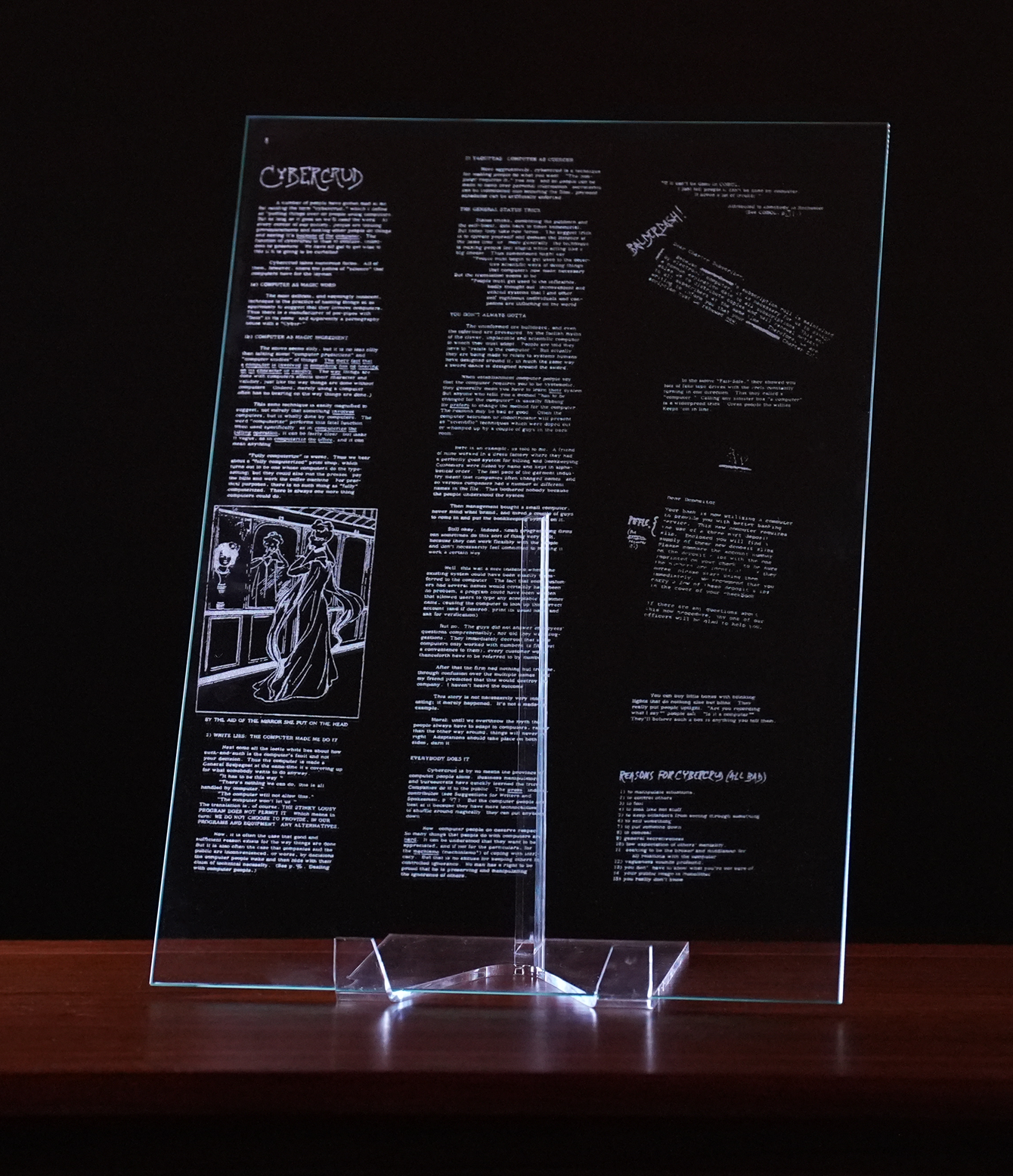
The Timeless Nature of Glass
When we think about preserving important information for future generations, we often overlook one of humanity's oldest and most durable materials: glass. While paper yellows and crumbles, digital storage becomes obsolete, and even stone can erode, glass remains remarkably stable for thousands of years.
Ancient Glass: A Testament to Longevity
Archaeological evidence proves glass's incredible durability. Glass artifacts from ancient Egypt, Rome, and Mesopotamia—some over 3,500 years old—remain intact and legible today. The famous Portland Vase, a Roman cameo glass vessel from around 30 BC, still displays intricate details nearly 2,000 years later.
These ancient examples aren't just decorative objects. Glass tablets with cuneiform inscriptions have survived from ancient civilizations, preserving historical records that would have been lost if written on papyrus or parchment.
The Science of Glass Preservation
Glass's exceptional preservation qualities stem from its unique molecular structure. Unlike organic materials that decompose or metals that corrode, glass is chemically inert. It doesn't react with most substances, making it resistant to:
- Biological degradation: Bacteria, fungi, and insects cannot consume glass
- Chemical corrosion: Glass resists acids, bases, and most environmental chemicals
- UV radiation: Unlike paper and plastics, glass doesn't degrade under sunlight
- Temperature fluctuations: Glass maintains stability across wide temperature ranges
- Moisture damage: Water cannot penetrate or warp glass surfaces
Laser Etching: Permanent Information Storage
Modern laser etching technology takes glass preservation to new heights. Unlike surface printing or painting that can wear away, laser etching physically alters the glass structure at a microscopic level. The etched information becomes part of the glass itself, making it virtually impossible to erase or degrade.
This process creates micro-fractures in the glass that scatter light, forming visible text or images. Because these changes are structural rather than surface-level, they're protected from wear, weathering, and environmental damage.
Comparing Preservation Methods
When evaluating long-term preservation options, glass stands out:
- Paper: 50-200 years (with archival quality)
- Digital storage: 5-30 years (requires technology updates)
- Stone tablets: 1,000-5,000 years (subject to erosion)
- Metal engravings: 500-2,000 years (can corrode)
- Glass tablets: 10,000+ years (minimal degradation)
Real-World Applications
The exceptional durability of glass makes it ideal for:
- Historical documents: Constitutions, founding documents, and important treaties
- Family records: Genealogies and family histories for future generations
- Religious texts: Sacred writings preserved for millennia
- Scientific data: Research findings and discoveries
- Personal legacies: Messages, poems, and writings for the distant future
The Future of Historical Preservation
As we face an uncertain future with climate change, technological obsolescence, and the fragility of digital storage, glass tablets offer a reliable solution for preserving humanity's most important information. Museums, libraries, and archives are increasingly turning to glass for long-term storage of critical documents.
For individuals, custom glass tablets provide an opportunity to preserve personal histories, meaningful texts, and important messages in a format that will outlast virtually any other medium. Your words, etched in glass, can literally survive for thousands of years—a true message to the future.
Ready to preserve your words for millennia?
Create your custom glass tablet today and ensure your message survives for future generations.
Shop Now - $39.99