Choosing the Perfect Text for Your Glass Tablet
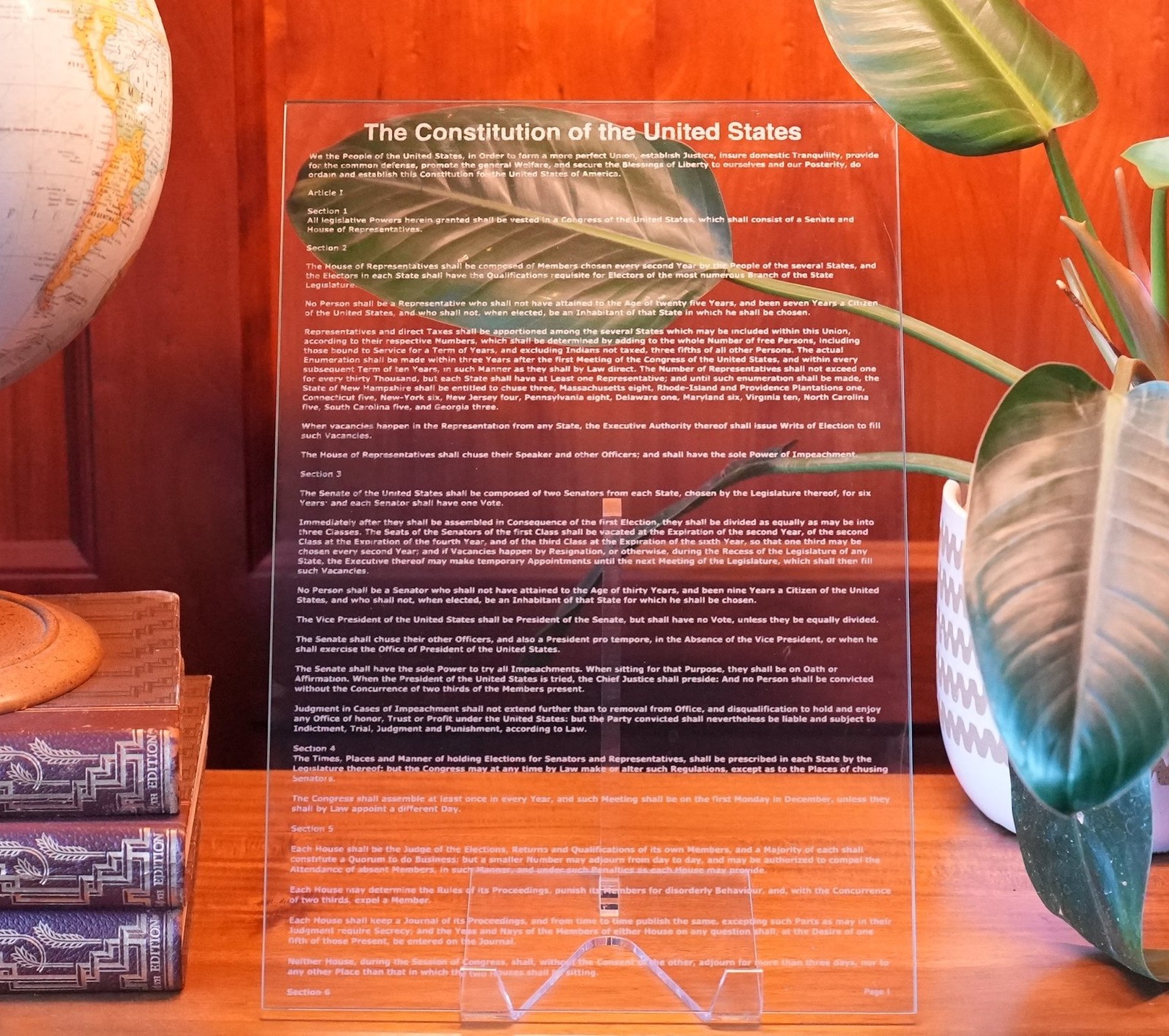
Creating a glass tablet is an investment in permanence. Your words will last for millennia, so choosing the right content is crucial. Here's our comprehensive guide to selecting text that will remain meaningful for generations.
Start with Purpose
Before selecting specific text, clarify your purpose. Ask yourself:
- Who is the primary audience? (Yourself, family, future generations, the public)
- What emotion or message do you want to convey?
- Will this be displayed publicly or kept private?
- Is this commemorative, educational, artistic, or personal?
- What timeframe matters? (Years, decades, centuries, millennia)
Your answers will guide your content selection and help ensure your glass tablet fulfills its intended purpose.
Content Categories to Consider
1. Personal Writings
Original content carries unique emotional weight. Consider:
- Letters: To children, grandchildren, or future descendants
- Life lessons: Wisdom gained from experience
- Personal manifestos: Your core beliefs and values
- Love letters: To spouses or family members
- Autobiographical snippets: Key moments from your life
2. Literary Selections
Classic literature and poetry offer timeless beauty:
- Poetry: Complete poems or favorite stanzas
- Prose passages: Meaningful excerpts from novels or essays
- Philosophical texts: Passages from great thinkers
- Song lyrics: Words that moved you
3. Historical Documents
Preserve important texts for future generations:
- Founding documents: Constitution, Bill of Rights, Declaration of Independence
- Speeches: Gettysburg Address, "I Have a Dream," etc.
- Historical records: Family immigration papers, deeds, certificates
4. Religious and Spiritual Texts
Sacred writings hold deep meaning:
- Scripture passages: Bible verses, Quran surahs, Torah portions
- Prayers: Traditional or personal prayers
- Spiritual teachings: Buddhist sutras, Hindu mantras, etc.
Length Considerations
The amount of text affects readability and visual impact:
Text Length Guidelines:
- Short (1-50 words): Quotes, mantras, single verses. Maximum visual impact, easy to read from distance.
- Medium (50-300 words): Poems, short passages, wedding vows. Balanced readability and detail.
- Long (300-1000+ words): Complete documents, essays, multiple poems. Rich content but requires closer viewing.
Pro tip: Shorter texts work better for display pieces, while longer texts suit archival purposes.
Formatting Best Practices
Typography Choices
Font selection affects both aesthetics and longevity:
- Serif fonts: Traditional, elegant, excellent for literary content
- Sans-serif fonts: Modern, clean, highly legible
- Script fonts: Decorative, personal, best for short texts
- Monospace fonts: Technical, precise, good for code or data
Layout Considerations
How you arrange text matters:
- Centered: Formal, balanced, works well for poetry and quotes
- Left-aligned: Traditional, easy to read, best for prose
- Justified: Clean edges, formal appearance, good for documents
- Custom shapes: Circular, spiral, or artistic arrangements for visual interest
White Space
Don't overcrowd your glass tablet. Adequate margins and spacing improve readability and aesthetic appeal. A good rule: at least 10-15% of the surface should remain clear.
Adding Context
Consider including contextual information:
- Attribution: Author name, source, date of original writing
- Dedication: "For my daughter Sarah" or "In memory of..."
- Date: When the tablet was created
- Location: Where it was made or where events occurred
- Translation note: If text is translated, note the original language
Language Considerations
Modern vs. Historical Language
Decide whether to use contemporary or period-appropriate language. Historical texts often have more gravitas in their original form, but modern language may be more accessible to future readers.
Multiple Languages
Consider bilingual or multilingual tablets for:
- Preserving heritage languages
- Making content accessible to diverse audiences
- Creating artistic contrast between scripts
- Ensuring future readability if one language becomes obscure
Testing Your Choice
Before finalizing, ask yourself:
- ✓ Will this text remain meaningful in 10 years? 100 years? 1,000 years?
- ✓ Does it represent what I truly want to preserve?
- ✓ Is the length appropriate for the intended display?
- ✓ Have I proofread carefully? (Errors are permanent!)
- ✓ Does the formatting enhance or detract from the content?
- ✓ Would someone unfamiliar with the context understand it?
Common Mistakes to Avoid
- Trendy references: Pop culture references may not age well
- Too much text: Overcrowding reduces impact and readability
- Unclear attribution: Future viewers should know the source
- Poor proofreading: Typos are forever in glass
- Overly personal codes: Inside jokes may confuse future readers
- Inconsistent formatting: Mixing too many fonts or styles
Final Thoughts
Choosing text for a glass tablet is a profound act. You're not just selecting words—you're deciding what deserves to outlast civilizations. Take your time, consider your options carefully, and choose text that truly matters to you.
Remember: the best choice is the one that resonates with you personally. Whether it's a beloved poem, a family history, or your own words, if it's meaningful to you, it's worth preserving for millennia.
Ready to create your glass tablet?
We'll help you format and design your text for maximum impact and longevity.
Start Your Order - $39.99